
Harnessing synthetic biology for the future of biosecurity
Professor Karen Polizzi
Professor of Biotechnology, Imperial College London
Synthetic biology offers malicious actors a toolbox to threaten the environment and human lives, but it also contains the weapons to fight the same biosecurity threats.
The discipline applies engineering principles to biological systems. Its technologies, such as DNA synthesis and computer-aided design systems, allows scientists to produce novel systems or augment existing ones more quickly than they could with traditional genetic engineering techniques.
Just 30 years ago, such capabilities were aspirational. It was much more difficult for malicious individuals or organisations to produce bioengineered organisms or systems that could survive in the real world and wreak havoc.
Today, with artificial intelligence and gene-editing technologies, such a scenario is more likely. However, the same tools bolster researchers’ – and authorities’ – ability to move rapidly against threats, making response systems more agile and responsive than they were 30 years ago.
There are many avenues in which synthetic biology research can thwart biosecurity threats, such as manmade novel pathogens and climate change.
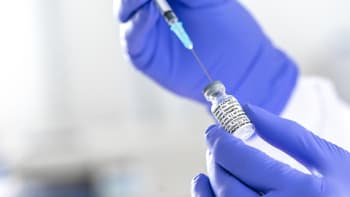
At Imperial College London’s Future Vaccine Manufacturing Research Hub, researchers are harnessing synthetic biology to create a blueprint for producing vaccines rapidly and on a large scale.
One example is virus-like particles, which are used in some vaccines. These particles comprise protein structures that mimic a virus's shell. Even though they do not contain any genetic material from the virus, they trigger an immune response against it within people's or animals’ bodies.
My research team at Imperial is using yeast to develop cheaper and more efficient ways to make these particles for use in vaccines against serious diseases like rotavirus, human papilloma virus, and several hepatitis viruses.
Since we are using yeast, the equipment for manufacturing the vaccines is very similar to that used in the brewing industry. By bringing down costs and increasing protein production, it is easier and faster to ramp up vaccine production when needed – such as when there is a large disease outbreak or pandemic.
However, synthetic proteins’ applications extend far beyond vaccines. Similar technologies can also be used for food security. Climate change is increasing the likelihood of extreme weather events and broadening diseases’ natural ranges, endangering agricultural yields. With synthetic biology, it is possible to engineer organisms which can be mass produced to create continuity when agricultural supply of certain food products is low.
For example, there is global interest in producing milk-like proteins that could substitute cow milk. In 2024, global milk production reached 950 megatons, and is expected to rise over the next decade, according to the most recent OECD‑FAO Agricultural Outlook1.
Already, the sector faces biosecurity threats. The Outlook flags the risk of avian flu, which has been detected in dairy cattle in the United States, and ongoing outbreaks of foot and mouth disease in the European Union.
At Imperial, researchers in the Bezos Centre for Sustainable Protein and the Microbial Food Hub are working with industry collaborators to create palatable protein-derived milk. The aim is to have non-animal milk that is identical on a molecular level to cow’s milk. At the moment, the process is costly, but Imperial research is finding ways to reduce input costs and increase the ‘milk’ yield from the engineered organisms.
Synthetic biologists are currently focusing on obvious biosecurity areas, such as vaccine development and reducing reliance on agricultural systems that are vulnerable to climate change. But there are possibly other more ambitious goals for these tools.
We can’t predict the biosecurity threats we’ll face 30 years from now. The wide availability of suitable equipment and the growing ease of use of synthetic biology technologies are not only of benefit to researchers, but malicious individuals and organisations too. However, even as the threats become ever more sophisticated, synthetic biology will allow us to keep up and protect human health.

"Synthetic biologists are currently focusing on obvious biosecurity areas, such as vaccine development... But there are possibly other, more ambitious goals for these tools."
Professor Karen Polizzi, Professor of Biotechnology, Imperial College London
Biosecurity at the Frontier
On Wednesday 10th June, Imperial will hold a high-level conference, Biosecurity at the Frontier, bringing together global leaders to examine emerging biological threats and the actions needed to address them. Moving beyond analysis, the conference will focus on building the frameworks, partnerships, and capabilities required to strengthen biosecurity globally.
Reference
1: OECD. (2025). OECD-FAO Agricultural Outlook 2025-2034: Dairy and dairy products.
 Built with Shorthand