
Scaling wastewater surveillance for global biosecurity
Professor Leon Barron
Professor of Analytical and Environmental Sciences, Imperial College London
Fingerprints of the next disease outbreak could be detected in wastewater before people start showing symptoms – buying critical days to prepare for a major outbreak.
Wastewater monitoring is an integral part of biosecurity surveillance, and countries around the world are using this scalable and relatively low-cost methodology to detect pathogens, chemicals, and antimicrobial resistance, among other concerns, in their populations.
Pathogens and chemicals in people’s bodily waste enter the sewerage system, where they can be detected by their genetic material or chemical signatures. Wastewater samples mirror trends within a given community, and also show what materials could be introduced to the environment when they leave the facility.
Historically, this method was used to detect polio and antimicrobial resistance, but it emerged as a crucial surveillance approach during the COVID-19 pandemic. If there was a surge in SARS-CoV-2 infections within a community, authorities could detect the hotspot in wastewater and rally a response before people started showing symptoms. Dozens of countries now have wastewater surveillance1 programmes and are harnessing them to detect emerging pathogens.
Last year, the UK Health Security Agency launched a £1.3 million programme2 to expand the country’s ability to detect and identify the genetic material of several dangerous viruses, such as Mpox and Crimean Congo Haemorrhagic Fever.
“The diversity of biological threats is increasing globally, and it’s crucial that we stay at the cutting edge of new technology to detect them,” Imperial College London researcher Professor Steven Riley, who is also the UK Health Security Agency’s Chief Data Officer, said at the launch.
But emerging diseases are not the only threats wastewater can identify. Sewage also contains the fingerprints of other dangers to human and environmental health.
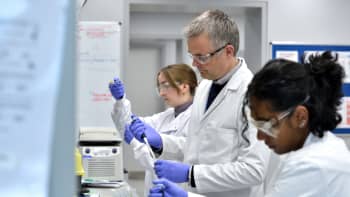
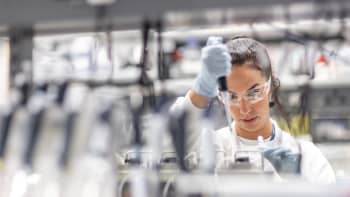
“Countries around the world are harnessing wastewater surveillance to detect emerging pathogens and strengthen biosecurity.”
Professor Leon Barron, Professor of Analytical and Environmental Sciences, Imperial College London
In 2011, we began tracking illicit drug and pharmaceutical usage in London, which was then rolled out across England. It has been a national capability since 2021. Over the course of a year, we analysed more than 1,700 water samples from 15 wastewater treatment sites across the country. It was an indirect way to quantify illicit drug consumption behaviours and the size of the market in near real-time, identify where consumption of drugs was concentrated, and show which interventions worked to reduce drug use on the ground.
A major drug bust in March 2022, for example, resulted in a significant decrease in concentrations of cocaine in samples across several major cities. We have also since expanded the capability to track other target chemicals. We now monitor chemicals that affect critical ecosystem services, such as those critical for crop production and those driving antimicrobial resistance. This capability also empowers us to identify more immediate threats from malign actors.
These chemical surveillance methods are now being picked up by groups and authorities around the world. Imperial is part of an international network called the Sewage Analysis Core Group (SCORE), which connects more than 40 laboratories in 30 countries and shares data, methodologies and best practices. Multiple governments are now implementing programmes based on Imperial’s work since the inception of SCORE in 2011.
Once wastewater leaves the treatment plants, it finds its way into rivers, and communities also want to know if there are threats hiding in their water. These pollutants affect the environmental systems that people rely on and interact with, creating a slow-burning biosecurity threat.
Imperial researchers have developed follow-on passive sampler technology that members of the public, as well as environmental authorities, can use to identify and monitor new contaminants in river water at scale – and potentially pick up emerging biosecurity threats.
We worked with over 2,000 people across the UK to test their local waterways for chemicals, such as pesticides, antimicrobials and pharmaceuticals. This has resulted in major governmental reviews of the safety and regulation of some chemicals that are known to impact biodiversity and biosecurity and can be linked back to wastewater.
Scalable wastewater surveillance systems give researchers and governments a critical head start to understand trends over time, and empower authorities to act on threats before they become crises.

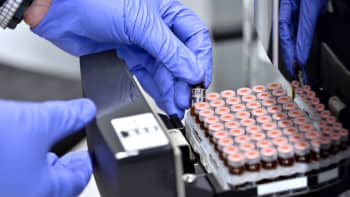
Biosecurity at the frontier
On Wednesday 10th June, Imperial will hold a high-level conference, Biosecurity at the frontier, bringing together global leaders to examine emerging biological threats and the actions needed to address them. Moving beyond analysis, the conference will focus on building the frameworks, partnerships, and capabilities required to strengthen biosecurity globally.
References
1) Manuel, D.G. et al. (2022) Strengthening public health surveillance through wastewater testing: an essential investment for the COVID-19 pandemic and future health threats. World Bank.
2) UK Health Security Agency (2025) 'UKHSA launches development programme for wastewater monitoring techniques which could catch pandemic threats early,' GOV.UK, 26 August.
 Built with Shorthand